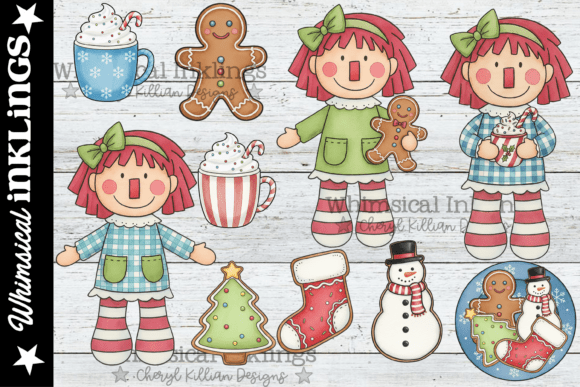
Annies Christmas Cookies DTF: A Designer’s Perspective
When evaluating an embroidery design like Annies Christmas Cookies DTF, it’s not enough to look at the preview and say, “It looks cute.” Real-world use demands more. As a designer who regularly works with digital embroidery files for both personal and commercial projects, I’ve come to rely on how well a design translates from screen to fabric. Annies Christmas Cookies DTF is one of those designs that immediately catches your eye with its festive charm—but does it hold up when you start stitching?
First Impressions: Festive, Detailed, and Adaptable
The first thing I noticed about Annies Christmas Cookies DTF is the warmth it brings to any project. The illustration features cookie-shaped elements with icing textures, sprinkles, and a playful arrangement that evokes holiday cheer. It’s clear this isn’t just a simple outline or basic motif; there's intentional detail in the curves and shading, which gives the design a three-dimensional feel.
As someone who often uses illustrations in machine embroidery designs, I appreciate how the layout allows for flexibility. You can stitch it as a standalone graphic or incorporate it into a larger holiday-themed piece. The visual personality is whimsical but not overly childish—perfect for adult gifts, custom apparel, or even boutique branding around the holidays.
Real-World Applications and Project Suitability
I recently considered using Annies Christmas Cookies DTF for a batch of personalized sweatshirts for a local artisan fair. The design’s size and complexity made me think twice. Here’s what I found when applying it to different real-life scenarios:
- Tote Bags: The cookies looked great on a medium-weight cotton blend tote. The icing details added texture without overwhelming the space. A good choice for gift bags or market items.
- Sweatshirts: On thicker fabrics like fleece, the design stitched cleanly but required careful stabilizer placement to avoid puckering. Still, the final product felt cozy and professional.
- Baby Clothes: The cookies were too large for typical baby onesie sizes unless resized. But scaled down slightly, they worked beautifully as a small decorative accent on a sleeper.
- Aprons & Pillow Covers: These are perfect surfaces for showcasing the design’s full potential. The softness of the fabric complements the gentle curves and intricate lines of the cookies.
- Patches: This design would make a charming embroidered patch, especially if framed with a satin border. Just be mindful of the stitch density and fabric type to ensure durability.
- Holiday Gifts: Whether applied to a mug sleeve, ornament, or tea towel, the cookies bring a homemade touch that feels both thoughtful and visually engaging.
What stands out is how the design maintains its character across various embroidery project types. It doesn’t scream “holiday” but still manages to communicate a sense of joy and nostalgia. That subtle approach makes it versatile for handmade products aimed at multiple age groups and styles.
Visual Appeal Meets Stitching Clarity
A big part of choosing an embroidery file is balancing aesthetics with functionality. Annies Christmas Cookies DTF nails the former and mostly succeeds with the latter. The icing textures are rendered with fine running stitch and fill stitch patterns that mimic brush strokes. Sprinkles are handled cleverly with tiny satin stitches or seed stitch clusters, depending on their location.
However, some areas—like the detailed corners where the cookies meet the background—require closer inspection. When stitched at high density, these parts can become stiff, so it’s important to review the stitch density settings before final production. If you’re working with stretchy or thin fabric, consider reducing density slightly to maintain flexibility and prevent distortion.
Where Caution Is Key
Despite its charm, Annies Christmas Cookies DTF isn’t suited for every surface or situation. Here are some places where I’d advise careful consideration:
- Small Hoop Sizes: The design has a decent footprint. If you're planning to fit it into a compact hoop, you’ll need to scale it carefully. Some details might get lost in the process.
- Textured Fabrics: While it works well on smooth cottons, stitching on canvas or denim could cause the finer lines to break or the overall look to lose clarity.
- Dark Fabric Backgrounds: The default thread colors are ideal for light-colored garments. On darker backgrounds, the contrast drops significantly, so experimenting with alternative color palettes is essential.
- Curved Surfaces: Stitching on caps or curved garment areas may require splitting the design or adjusting the layout to accommodate the shape without stretching.
- Frequent Washing: For kitchen towels or baby clothes, check the thread colors used. Bright or pastel threads may fade faster over time, affecting the long-term appearance of the finished product.
If you're aiming for a commercial embroidery application, always test the design on scrap fabric first. It helps identify potential issues with stabilizer needs, tension, or fabric compatibility before committing to a full production run.
Customer Reactions and Market Value
In my experience, customers respond positively to designs that feel cohesive and well-crafted. When I used Annies Christmas Cookies DTF on a set of custom aprons for a client’s holiday sale, the reaction was overwhelmingly favorable. Buyers loved the nostalgic aesthetic and the way it stood out compared to generic snowflakes or poinsettias.
This kind of feedback is crucial for Etsy sellers and small shop owners. A unique design like this can boost product value and customer trust, especially when paired with quality materials and proper execution. It also enhances brand consistency if you're building a seasonal line of handmade products.
But remember, giftability and recognition depend on presentation. If the design is poorly stabilized or stitched too densely, the end result might appear stiff or unprofessional. Always inspect the final stitched piece for stitch clarity and overall appeal before listing it in your craft business or digital product previews.
Designer Tips for Using Annies Christmas Cookies DTF
Here are some practical steps I take when integrating Annies Christmas Cookies DTF into a project:
- Test on Scrap Fabric: Before moving to final materials, stitch a sample to evaluate how the design behaves on the specific fabric you plan to use.
- Review Thread Color Contrast: Especially if you're using it on dark or patterned fabrics. Consider swapping out certain threads for bolder hues or metallic accents to enhance visibility.
- Check Stitch Density: Dense fill areas might need to be adjusted for comfort and longevity, particularly on wearable items like t-shirts or hats.
- Confirm Hoop Size: If you’re unsure about the recommended hoop size, consult the design notes or reach out to the creator. Avoid forcing the design into a smaller hoop than intended.
- Inspect Small Details: The sprinkles and cookie edges are delicate. Make sure your machine can handle tight turns and small stitch spacing without breaking needles or distorting the image.
- Use Proper Stabilizer: Depending on the fabric, tear-away, cut-away, or wash-away stabilizers can all play a role in preserving the integrity of the design after stitching.
- Test in Black and White: Sometimes thread color choices don’t translate well under different lighting. A black-and-white mockup can help you visualize how the design will appear once printed or stitched.
- Compare Light and Dark Backgrounds: Try the design on a few different fabric tones to see how adaptable it is. This helps when creating a range of design assets for a collection.
- Confirm Licensing: If you plan to sell finished goods or include the design in a digital embroidery file package, make sure the license allows for commercial use. Always double-check before going live with your handmade product.
Final Thoughts on Embroidery Design Use
Annies Christmas Cookies DTF is a standout design for those looking to add a touch of holiday warmth to their creations. Its visual appeal and adaptability make it suitable for a wide array of embroidery projects, from sweatshirt embroidery to nursery decor. But like any illustrations-based design, it requires attention to detail during the setup phase to ensure the best possible outcome.
As a designer and reviewer, I recommend using it on stable, mid-to-heavy weight fabrics where the design can breathe and shine. It’s less ideal for very stretchy or delicate materials unless you’re prepared to do some extra tweaking. With the right care, though, this design can elevate your personalized gifts and holiday embroidery work to a new level of professionalism and charm.
For creative entrepreneurs, this design is a solid addition to your printable mockups or digital product listings. It offers enough uniqueness to stand out while remaining accessible and appealing to a broad audience. Just keep the tips above in mind and treat each embroidered patch or tote bag design like a mini-project with its own requirements.