Children Donating Toys Around Christmas Embroidery Design Review
As an experienced embroidery designer and product reviewer, I often find myself evaluating digital embroidery files for their usability in real-world projects. Children Donating Toys Around Christmas is one such design that caught my eye—not just for its heartwarming theme, but for how it could translate into a variety of handmade products with both visual appeal and emotional resonance.
A Heartfelt First Impression
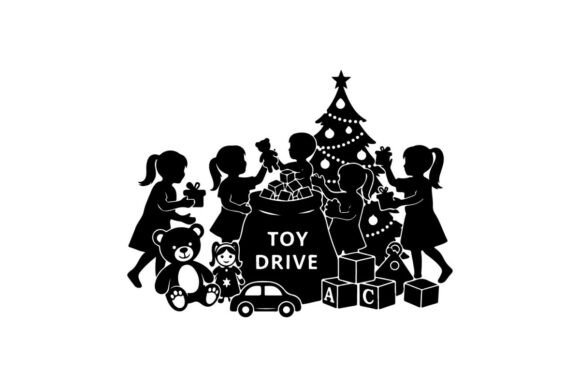
The first thing I noticed about Children Donating Toys Around Christmas is the mood it conveys: warm, generous, and full of holiday cheer. The illustration features a group of children placing toys under a small tree or handing them to others, surrounded by subtle festive elements like snowflakes, stars, and maybe even Santa’s shadow. It feels intentional—like a scene pulled from a memory or a storybook moment.
Visually, the layout is balanced and inviting. The characters are proportionally clear, with enough detail to express emotion without becoming overly intricate. This makes it versatile for a range of embroidery applications. The design doesn’t scream at you; instead, it gently tugs at the heartstrings, which is exactly what you want when creating personalized gifts or boutique-style items.
Theme and Visual Personality
The theme of giving during the holidays is universal, making this a strong candidate for seasonal products. The visual personality is gentle and family-friendly, so it would work well on baby clothes, nursery decor, or even as part of a charitable collection. Unlike many holiday designs that lean heavily on reds and greens, this one has a softer palette, which allows for more flexibility in thread choices and fabric types.
Real-Life Use Cases
I started imagining where this design might best shine. A custom sweatshirt for a local charity event? Absolutely. An embroidered tote bag labeled "Toys for Tots" at a craft fair? Perfect. Even a pillow cover for a child’s room could benefit from its cozy charm. What stands out is how the design maintains its message across different scales and mediums.
Custom Apparel: On a medium-sized sweatshirt, the design can be stitched in satin and fill stitches, with the kids’ faces and the toy details clearly visible. It adds a meaningful touch without overwhelming the garment. For t-shirts, especially those aimed at younger audiences, it brings a sense of innocence and joy.
Baby Items: When applied to onesies or bibs, the soft lines and muted colors feel appropriate for infants. However, the detail level should be reviewed carefully—tiny facial expressions or clothing patterns may not stitch cleanly on stretchy or thin fabrics.
Tote Bags and Aprons: These are ideal canvases for the design. Its composition allows for placement in the center or along the bottom hem. Using a mix of running stitch and satin stitch can give it a handcrafted look while keeping costs down for mass production if needed.
Holiday Gifts and Decor: This design fits beautifully into the holiday gift market. Think embroidered tea towels, blankets, or wall art. It evokes nostalgia and generosity, making it appealing for customers who value sentimental and thoughtful products.
Where Caution Is Key
While Children Donating Toys Around Christmas is charming and adaptable, there are situations where it requires careful consideration. Here are a few areas to watch out for:
- Small Hoop Sizes: The design includes multiple characters and some background elements. If you plan to use it in a small hoop, consider cropping or simplifying the file to focus on the most impactful parts.
- Textured Fabrics: The fine lines and delicate details may get lost or distorted on canvas, denim, or flannel. Smooth cotton or blends tend to show off the design better.
- Stretchy or Thin Fabric: The structure of the design needs support. Stretchy materials like jersey knits can cause distortion unless the right stabilizer is used. Thin fabrics may require backtacking or a layered approach to maintain clarity.
- Dark Backgrounds: The original color scheme may not stand out as well on darker fabrics. Test with white or light-colored threads to ensure visibility and impact.
- Curved Surfaces: Embroidering on caps or curved surfaces will require adjusting the design for distortion. Look for versions that include seam allowances or test it yourself before cutting into your final project.
Stitch Clarity and Density
One of the key aspects I always check is stitch density. In Children Donating Toys Around Christmas, the stitching seems evenly distributed, but dense areas around the toys or trees might need extra attention. Too much stitch density on delicate fabric can lead to puckering, while too little may result in a washed-out appearance. As always, I recommend testing the design on scrap fabric to evaluate how the stitches lay and whether they hold up after washing.
Impact on Product Value and Branding
This design can elevate a simple item into something memorable. Whether you're an Etsy seller looking to add a unique holiday listing or a boutique owner aiming to create a limited-run collection, the emotional weight of this image can increase customer engagement and perceived value.
Handmade Presentation: The clean lines and soft curves of the illustration lend themselves well to a handmade aesthetic. It doesn’t feel too digital or rigid, which helps maintain authenticity in your products.
Brand Consistency: If your brand focuses on community, kindness, or family values, this design aligns perfectly. It can become a signature element in your holiday offerings or seasonal campaigns.
Giftability and Recognition: The design is instantly recognizable and tells a story without needing words. That kind of clarity is rare and valuable—it speaks directly to the viewer, making it ideal for gifts that carry meaning beyond just decoration.
Designer Notes and Best Practices
Before using Children Donating Toys Around Christmas in any project, here are a few things I always do:
- Test on Scrap Fabric: Especially if you’re planning to use it on a new material or in a different hoop size than recommended.
- Check Thread Color Contrast: Make sure the colors pop against your chosen fabric. Sometimes switching to a monochrome version can enhance readability.
- Review Stitch Density: Adjust settings if you notice tight clusters of stitches that might pucker or tear after washing.
- Confirm Hoop Size: Some parts of the design might be larger than expected. Always verify the dimensions to avoid unexpected resizing.
- Inspect Small Details: Facial features and toy outlines should remain distinct, even after stitching. If they look fuzzy, you may need to simplify the file.
- Try Black and White Mockups: This helps you see how the design holds up in grayscale, which is useful for tonal variations or when using fewer thread colors.
- Use Proper Stabilizer: Especially important for commercial embroidery or products that will endure frequent handling and laundering.
- Confirm Licensing: Before selling finished products or digital embroidery files, double-check the licensing terms to ensure you’re compliant and protecting your business.
Commercial vs. Personal Projects
This design works well for both personal and commercial embroidery projects. As a digital embroidery file, it can easily be integrated into printable mockups for online listings or sold as part of a curated set of holiday illustrations. Just remember that for commercial resale, you must confirm that the license permits it and understand any restrictions related to quantities or usage rights.
Final Thoughts for Crafters and Makers
Children Donating Toys Around Christmas is more than just a pretty illustration—it's a storytelling tool. Used correctly, it can transform a basic apparel item or home décor piece into something that resonates emotionally with buyers. But don’t take it at face value. Every machine embroidery design needs to be tested and adjusted for the specific application and fabric you have in mind.
If you're an Etsy seller, hobbyist, or creative entrepreneur looking to offer something special during the holidays, this design could be a great fit. Just make sure to give it the same care and attention you’d give to any other asset in your craft business toolkit. Evaluate its performance in your usual workflow, and let your instincts guide you toward the best possible presentation.
Remember, the goal isn’t just to stitch a nice picture—it’s to create a finished product that people will love, wear, and remember long after the season is over.